How to Compare Janitorial Quotes for a School or Large Facility
Three quotes that look nothing alike usually describe three different jobs, and one shared scope fixes that.
October 20, 2026 · 4 min read
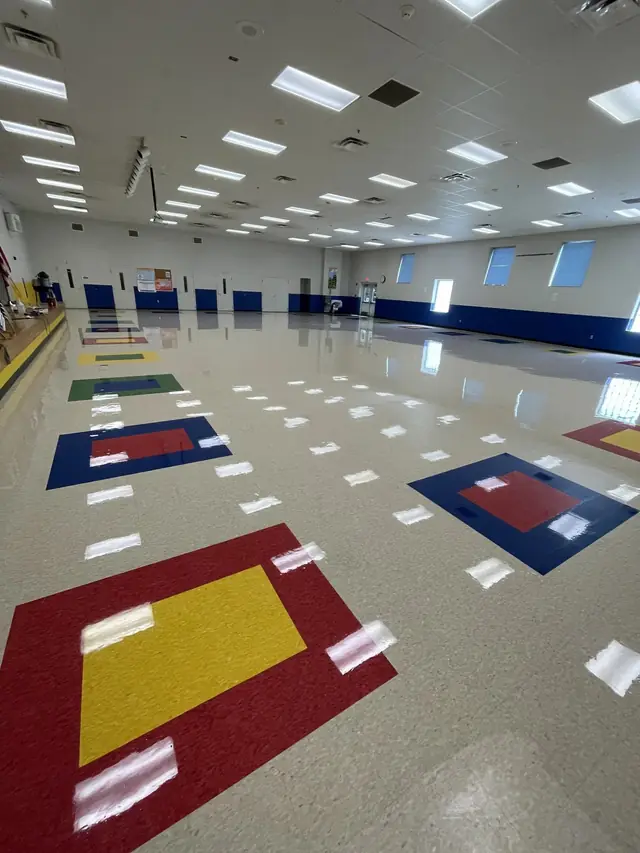
You've asked three cleaning companies to quote your building and the numbers come back looking nothing alike. One is a single line with a monthly figure. One is four pages. One mentions your square footage but not your cafeteria. Comparing them isn't a math exercise, because they may not be describing the same job.
This is a guide to making quotes comparable before you compare them. It applies to a school, a district office, a church campus or any large facility in the Memphis area, and it doesn't involve a single price, because the right number depends entirely on what's in the scope.
Start with your own scope
The most reliable way to get comparable quotes is to hand every company the same written scope. If each one writes its own, you'll get answers to different questions. A useful scope document is a page or two and covers the following:
- Total square footage, and the split between floor types such as vinyl tile, carpet, concrete and the hard surfaces in restrooms and kitchens.
- The number of classrooms, offices and restrooms, plus any cafeteria, gym, library, lab or other special room.
- The hours the building is occupied, and the hours a crew can have access.
- Any areas that are off limits, secured or need an escort.
- Events, summer programs or weekend use that change the schedule.
Sending the same document to each company also tells you something about them. The ones that ask good follow-up questions are usually the ones who will notice details later.
Frequency is where quotes quietly diverge
Two quotes can look similar and differ by a wide margin in actual work, because one assumes restrooms are cleaned every day and the other assumes three times a week. Make sure each quote states, by area, how often each task happens: trash, restrooms, floors, high-touch surfaces, glass and so on.
Then look at the periodic tasks separately: floor stripping and refinishing, carpet extraction, high dusting, vent covers and window washing. These are often where a quote says "available on request" instead of showing a plan. If the work isn't written down with a frequency, assume it isn't included.
What a detailed written quote should list
- The areas covered, named or counted, not just "the facility."
- The tasks for each area, and how often each is done.
- Which periodic services are part of the regular arrangement and which are separate line items.
- Who supplies the equipment, paper goods and cleaning solutions.
- The staffing approach: whether the crew are the company's own employees, how they're trained, and what insurance covers them.
- How start dates, schedule changes and extra requests are handled.
- What happens when something is missed.
ParCou describes its commitment to customers as a combination of project management, detailed written quotes and spotless final results. That's a good standard to hold any bidder to. If a quote can't tell you what will happen in the cafeteria on a Tuesday, it isn't detailed yet.
Questions about the people, not just the paper
A quote is a promise written by the sales side. The work is done by the crew. Ask who they are:
- Are the people cleaning your building employees of the company, and are they trained before they start?
- Is the company insured, and will it provide proof when asked?
- Does the company have experience with schools or buildings like yours?
- Who is your point of contact, and what happens when that person is unavailable?
ParCou's answers to some of these are published. It lists trained and insured technicians, a team serving educational institutions and facilities in the Greater Memphis Area, and founders who between them oversaw 33 school districts across 3 states before starting the company in 2014. Ask every company the same questions and weigh the answers the same way.
Why a walk-through should come before the number
A quote written from a phone call and a square footage figure is a guess. Floors that are worn through, an older building with odd corridors, a cafeteria that doubles as an auditorium: none of that shows up in a spreadsheet. Companies that walk the building before quoting have a better chance of getting the scope right, and you have a better chance of getting a number you can hold them to.
ParCou offers a free assessment, and a quote that comes after a walk-through is easier to trust than one that comes before it. If a company wants to quote your school without ever seeing it, treat the quote as a rough estimate at best.
Reading the comparison
Once the quotes are in, line them up in a simple grid: areas down the side, companies across the top, and frequency and inclusions filled in for each. Gaps will jump out. Then ask each company to correct anything you've interpreted wrongly. If one quote is far lower than the others, find the missing work before you celebrate. If one is far higher, check whether it's covering something the others left out.
Look at the contract terms too: how long it runs, how either side can end it, and how scope changes are handled. A good number on a rigid agreement can cost you more in the long run than a fair number on a flexible one.
If you'd like a written quote built from a walk-through of your own building, call ParCou at 901-504-9150 and ask for a free assessment.
ParCou LLC, 901-504-9150
Call 901-504-9150More articles
What a School Floor Tells Visitors Before Anyone Speaks
The surface under a visitor's feet makes the first impression of your building, and it follows a care cycle you can learn to judge.
When a Dirty Room Pulls Students' Attention Away
Students notice the state of their building more than most adults assume, and a cleaning plan can be built around that.