When a Dirty Room Pulls Students' Attention Away
Students notice the state of their building more than most adults assume, and a cleaning plan can be built around that.
October 20, 2026 · 4 min read
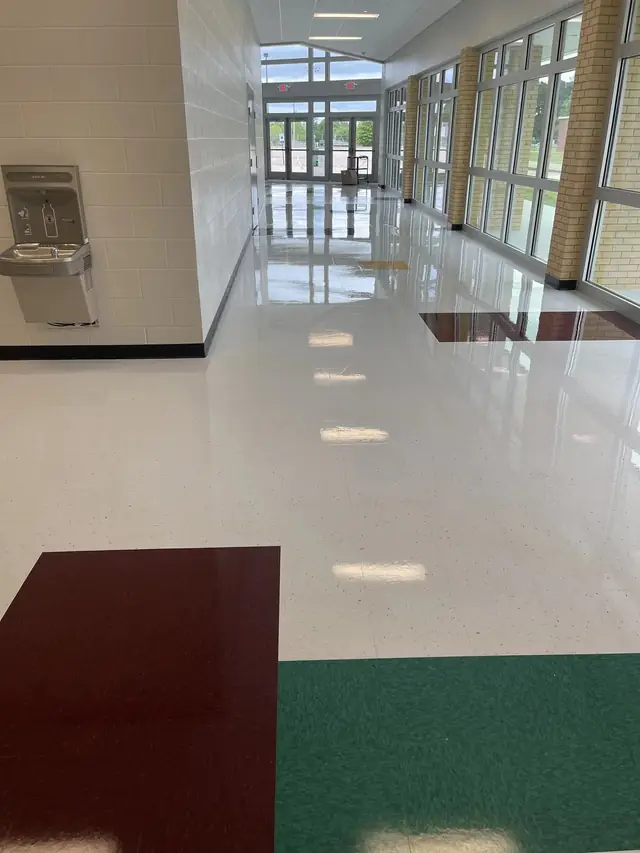
Ask a teacher what makes a classroom hard to teach in and you'll hear about noise, temperature and schedules. Ask a student and you might hear something simpler: the room smelled bad, the bathroom was gross, the floor was sticky. Cleanliness rarely makes it onto a school improvement agenda, yet students notice it constantly.
There's published evidence for that. In a study published in the International Journal of Scientific & Technology Research (Volume 7, Issue 3, March 2018), about 88% of the 1,481 students polled reported a lack of cleanliness can become a distraction. ParCou cites it on its services page, and it's worth unpacking what it does and doesn't tell a facility manager.
What the poll says, and what it doesn't
The finding is about perception. Students were asked, and most said that an unclean environment can pull their attention away from what they're supposed to be doing. That's a meaningful signal, because attention is the raw material of teaching. It isn't a claim about test scores or grades, and nobody should read it as proof that a floor care budget raises achievement. It is a reasonable reason to take cleanliness seriously as part of the learning environment instead of treating it as background.
It also matches common sense. Think about the last meeting you sat through in a room with a stale smell or a stained carpet. You probably noticed the room more than you'd like to admit. Students, who spend most of their day in the same building, have far more chances to notice.
The distractions students notice first
Every building is different, but a few problems turn up in most schools:
- Restrooms. A restroom that's out of supplies, smells strongly or has visible mess by mid-morning gets noticed, and some students will avoid using it, which creates its own problems.
- Odors. Cafeteria smells carrying into hallways, a sour mop smell, or trash that sat too long all follow students from room to room.
- Sticky or gritty floors. Students feel it underfoot and hear it, since grit squeaks and crunches in a quiet room.
- Visible dust and smudges. Door glass, trophy cases, whiteboard trays, desks and window ledges show the problem fastest.
- Overflowing bins, especially after lunch and by the last bell.
None of these is dramatic. That's the point. They're small, repeated irritations, and a cleaning plan that handles them well is quietly doing its job.
Building a cleaning plan around the learning day
A common mistake is scheduling cleaning around the cleaners' convenience rather than the building's rhythm. A plan built around the learning day starts with a different question: when is each space used, and what state does it need to be in at that moment?
A cafeteria needs to be reset after each lunch period, not just at night. Restrooms need checks while school is in session, not only after dismissal. Classrooms need their floors, desks and trash done before the next morning, which means the evening shift has to be thorough, not rushed. Entrances need attention first because they set the tone for everything past them.
Write this down as a short schedule by area and have someone confirm it matches how the building is actually used. Plans drift when the calendar changes, so revisit it when schedules, enrollment or room assignments do.
High-touch surfaces deserve their own line
Door handles, push plates, handrails, light switches, water fountain buttons, shared keyboards and desk surfaces are touched by many hands each day. In general practice these get a separate, regular wipe-down with an appropriate product, rather than being left to happen incidentally while someone does the floors. ParCou lists modern sanitization equipment as part of its cleaning advantage, and whatever provider you choose, your plan should name these surfaces plainly so nobody has to guess whether they're included.
The benefits ParCou names
ParCou's janitorial services page lists four benefits of trusting a team to maintain a facility: to improve the learning or working environment, to minimize contributors to asthma and allergies, to boost a sense of pride with your affiliation, and to send the right message to all who enter. The first and last connect directly to the question of student focus. The third is easy to underestimate. A school community that's proud of its building has a good reason to keep it in good shape, and a clean building makes that pride easy to feel.
Questions to ask about your own building
- Which three spaces do students complain about most, and what is the cleaning plan for each?
- Are restrooms checked during the school day, or only after it?
- Does the plan name high-touch surfaces, or assume they're covered?
- Who walks the building and confirms the work matches the plan?
If you can't answer those quickly, a fresh set of eyes can help. ParCou walks through facilities in the Greater Memphis Area as part of a free assessment and follows it with a detailed written quote, so you can see what a plan for your building would include before you commit to anything.
To ask for a free assessment of your school or facility, call ParCou at 901-504-9150.
ParCou LLC, 901-504-9150
Call 901-504-9150More articles
What a School Floor Tells Visitors Before Anyone Speaks
The surface under a visitor's feet makes the first impression of your building, and it follows a care cycle you can learn to judge.
How to Compare Janitorial Quotes for a School or Large Facility
Three quotes that look nothing alike usually describe three different jobs, and one shared scope fixes that.